

Civil
New COVID-19 Variant, “Pirola,” Raises Concerns Amidst Ongoing Crises
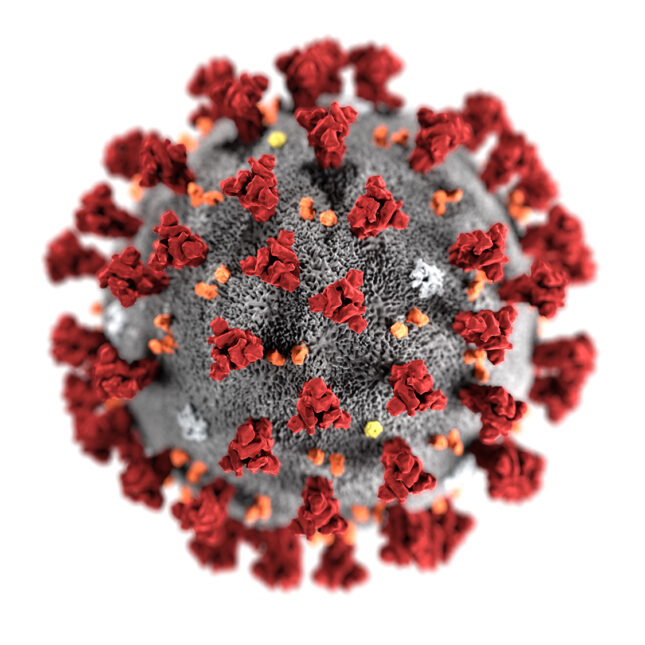
Amidst ongoing crises like wildfires and extreme weather, a new COVID-19 variant, Pirola (BA.2.86), is causing alarm among experts. Pirola has over 30 spike protein mutations, raising concerns similar to the Omicron variant’s immune evasion capabilities. Detected in multiple countries with unrelated cases, experts worry about potential resurgences. Current tests and medications appear effective, but Pirola might be more infectious for vaccinated or previously infected individuals. Whether Pirola follows Omicron’s explosive growth or fades away remains uncertain. Mask mandates are reappearing in response to rising cases, emphasizing the importance of masking and upcoming vaccines. #COVID19Variant #Pirola #PublicHealth #SpikeProteinMutations
By Stacy M. Brown
NNPA Newswire Senior National Correspondent
@StacyBrownMedia
Amidst a news cycle that now routinely features wildfires, former president indictments, and extreme weather events, the world is grappling with the resurgence of COVID-19 as a new and concerning variant, BA.2.86, emerges. This variant, informally dubbed “Pirola,” has ignited alarm among public health experts due to its substantial spike protein mutations.
Dr. Scott Roberts, an infectious diseases specialist at Yale Medicine, warned that Pirola exhibits over 30 spike protein mutations compared to the previously dominant XBB.1.5 variant in the United States. The spike protein is critical for the virus’s entry into human cells, and such a high number of mutations raises red flags. In an online Yale Medicine article, Dr. Roberts compared the mutation count to the shift from the Delta to the Omicron variant in 2021, which caused a significant surge in cases due to its immune evasion capabilities.
What’s particularly concerning is that Pirola has been detected in at least six countries, and these cases appear unrelated. Experts said that suggests undetected community transmission and international spread, sparking concerns of a potential resurgence.
According to medical experts, BA.2.86 is a designated variant of Omicron, a variant of the SARS-CoV-2 virus responsible for COVID-19. BA.2.86 stems from BA.2, a previously circulating Omicron subvariant. The variant was first identified in Denmark in late July and made its way to the United States in August. Knowing that cases aren’t linked indicates broader circulation, significantly as COVID-19 surveillance has waned, medical experts asserted.
The Centers for Disease Control and Prevention (CDC) reported that current COVID-19 tests and medications, such as Paxlovid, Veklury, and Lagevrio, seem effective against Pirola. However, Pirola may be more adept at infecting individuals who have had COVID-19 or have been vaccinated. There isn’t any current evidence that it causes more severe illness.
The increase in COVID-19 hospitalizations in the U.S. is attributed to XBB lineage viruses rather than Pirola. The multitude of mutations in Pirola raises concerns about its potential to bypass immunity from natural infection or vaccination.
Dr. Roberts emphasized that ongoing studies would reveal the true nature of Pirola’s threat. The unprecedented number of mutations in Pirola is reminiscent of significant shifts seen in other respiratory viruses, such as the 2009 swine flu. However, he noted that these variants sometimes fade away without causing a significant impact.
The critical question now is whether Pirola will follow the explosive growth pattern of Omicron or fade away, as everyone hopes. As of August 30, the CDC has identified Pirola in at least four U.S. states through samples from individuals or wastewater.
Some regions have reinstated mask mandates in response to the spike in COVID-19 cases. Upstate Medical University in Syracuse, New York, is among the institutions requiring masks in clinical areas to protect patients and staff.

The CDC reports a nearly 19 percent increase in weekly new COVID-19 hospitalizations in the U.S., marking the sixth consecutive week of rising admissions.
The arrival of new COVID-19 vaccines from Pfizer, Moderna, and Novavax in mid-September is expected to offer robust protection against variants. Until then, experts stress that masking remains a crucial tool for safeguarding against COVID-19, even for individuals with normal risk levels, depending on their location and contacts.


 Black Arts and Culture1 week ago
N.C. Former Judge Donates Valuable Art Collection To HU
- Black History1 week ago
Middlesex County 250 To Explore Va. Blacks In American Revolution “Finding Freedom”
 National Commentary4 days ago
What Does the Data Say: The War President
- HBCU5 days ago
HRBMP Issues Condolences For Tragic Death of NSU Journalism Student
- Black Arts and Culture5 days ago
Special Screening Of INDY Film At Naro: “EARTH’S GREATEST ENEMY”
- Local News in Virginia5 days ago
Scott Leads House In Silence For ODU Tragedy
- Black Business News3 days ago
Sen. Lucas Keeps Heat On To End Exemption for Data Centers
- Black Community Opinions4 days ago
From NFL Star to Rural Youth Mentor: Ervin ‘Blue Print’ Parker’s Leadership Academy


