

Black History
Black History: Resting Place of Emmett Till Heads Toward Register Listing
The historic Burr Oak Cemetery in Alsip, Illinois—final resting place of Emmett Till—is on track to be listed in the National Register of Historic Places. Founded by a Black-owned company in 1927, the cemetery holds the graves of influential African Americans, including Mamie Till-Mobley, Dinah Washington, and Negro League players, marking a powerful testament to Black resilience and remembrance.
#EmmettTill #BlackHistory #CivilRights #NationalRegister #HistoricPreservation #MamieTillMobley #ChicagoHistory #NeverForget
By Rosaland Tyler
Associate Editor
New Journal and Guide
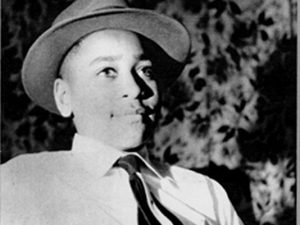
Emmett Till’s grave is located in a Black-owned cemetery that could become a nationally registered historic site.
The Illinois Historic Sites Advisory Council recently approved recommendations that will designate Burr Oak Cemetery as a U.S. Park Service National Register site. Once the state recommends a location for listing on the register, the spot is typically added. Tills, a 14-year-old Chicagoan who was killed in a widely publicized 1955 lynching in Mississippi, is buried in the cemetery. It was established by the Black-owned Supreme Life Insurance Company on the 150-acre site in 1927 in Alsip, Ill., a Chicago suburb.
Historian Jean Guarino described the cemetery as “a Black-owned and Black-managed place, built in the face of adamant white opposition,” in the nomination report for Burr Oak Cemetery. The residents did not want to have a Black cemetery located next to the village and, “with the assistance of armed police,” drove an inaugural burial party away. The burial party eventually returned, however, with a deputy sheriff and was successfully able to legally dedicate Burr Oak.
“I’m still on a cloud,” said Edward Boone, founder and chairperson of the nonprofit Friends of Burr Oak Cemetery, in a recent interview with the Chicago Sun-Times. “Like I won an NBA championship. It’s really great … because I know, with the value of having that status, the resources that it will bring.”
“This isn’t just about monuments,” Boone added.
“It’s about memory – about making sure people know how deeply Black history runs through this soil,” Boone said, explaining it is the final resting site for thousands of veterans, educators, and entertainers whose stories helped to shape American history. Burr Oak was featured in the poignant ending of the 1975 film “Cooley High.”
“We looked at so many graves of individuals who were born in 1865 or before, and so we pretty much assumed that there’s a high probability that they were former slaves,” Boone said. “And so we put African-American flags on all of their graves during Juneteenth. We think it’s important to recognize these individuals. Every headstone here represents a family that carved out dignity when the world denied it.”
In 2023, the Emmett Till and Mamie Till-Mobley National Monument became the country’s 425th national park, on the 82nd anniversary of Till’s birth. Singer Dinah Washington, rapper King Von, about 20 Negro League baseball players, and Till’s mother Mamie are among those buried at Burr Oak.


 Health1 week ago
Black Doctors Convene Annual Meeting On Patient Equity
- Entertainment4 days ago
Inaugural Jazzteenth Festival On Oceanfront For Juneteenth
- Black Arts and Culture4 days ago
Honoring Phillis Wheatley Peters: The Mother of Our Literature
- Black History4 days ago
VIA Heritage Association Prepares To Induct Its 11th Hall of Fame Class
- Virginia Political News4 days ago
Gov. Spanberger Appoints Three From Hampton Roads To State Parole Board
- Black Arts and Culture3 days ago
Patti LaBelle On Stage For Norfolk’s 50th Harborfest®
- Civil4 days ago
After Historic Third No Kings Day, Organizers Turn To Next Actions
- Virginia Political News3 days ago
Top Democrats Remain Confident Voters Will Say “YES” On April 21


